
| Quick answer: Heat, UV exposure, chlorine, wind, and faster tear evaporation combine to irritate the eyes during summertime. Ten habits, from hydration to UV-blocking sunglasses to regular screen breaks, meaningfully cut down on eye irritation and protect your vision. |
Have you ever spent an entire day in the sun without sunglasses, and by evening, your eyes felt gritty, red, and swollen? That’s what happens when eyes are exposed to bright sunlight, heat, wind, and glare for extended periods of time..
A clinical study published by the National Eye Institute (NEI) reported that prolonged UV exposure contributes to cataract formation and other eye problems. Although that does not mean that a single day of sun exposure can cause cataracts, it does mean that you should take UV exposure more seriously when it comes to summer eye protection. When you’re outside, try to wear sunglasses when you can and make a few other choices that limit your eyes’ exposure to harmful UV rays.
Let’s take a closer look at how summer conditions affect eyes and explore 10 simple ways you can keep your eyes protected all summer long.
How Does Summer Heat Affect Your Eyes?
A thin layer of tear film covers your eyes. Heat makes water evaporate faster. So when the tear film thins faster than your eyes can replenish it, the surface loses lubrication. You get that burning, “why do my eyes feel warm” sensation that many people mistake for allergies or fatigue. Summer conditions–as well as the technology we use to escape these conditions–can make this worse,:
- Wind: Beaches, boats, and convertibles all combine heat with wind, which is a rough combination for tear stability.
- Air conditioning: It pulls moisture out of indoor air, which can be harmful because your eyes depend on ambient humidity to function normally.
- Ceiling fans and car vents: Direct airflow across the face accelerates evaporation, the same way blowing on a wet countertop dries it faster. When your tear film thins faster, your eyes can begin to burn.
What Eye Problems Can Summer Heat Cause?
Summer heat can cause a handful of specific problems. Here’s what could be going on when you have irritable eyes in the summer:
- Dry Eyes
- UV-Related Eye Sunburn (Photokeratitis)
- Allergic Conjunctivitis
- Chlorine and Saltwater Irritation
- Styes and Blocked Oil Glands
- Glare-Induced Eye Strain
- pterygium
Is UV Light Bad for Your Eyes?
Yes, UV Light is bad for your eyes. The U.S. Environmental Protection Agency maintains a public UV Index specifically because ultraviolet exposure is cumulative and often invisible in the moment.
Cumulative UV exposure is linked to cataracts, pterygium (sometimes called “surfer’s eye”), and even eyelid cancers. None of that shows up the one day you skip your sunglasses. It shows up fifteen or twenty years later, which is exactly why you should protect your eyes from prolonged exposure when you can.
| UV Index | Risk Level | What the EPA Recommends |
| 1–2 | Low | No special protection is needed. You can stay outside with little sun protection. |
| 3–7 | Moderate to High | Protection is needed. Stay in the shade from late morning to mid-afternoon. Wear protective clothing, a wide-brimmed hat, and sunglasses. |
| 8+ | Very High to Extreme | Extra protection is needed. Take care outside, especially from late morning to mid-afternoon. Stay in the shade and wear protective clothing, a wide-brimmed hat, and sunglasses. |
10 Simple Ways to Protect Your Vision During Summer
Good summer eye protection requires attention to a short list of habits that address heat, glare, and dehydration at the source. Together, these summer eye care tips offer practical advice grounded in how the eye responds to heat, light, and airflow.
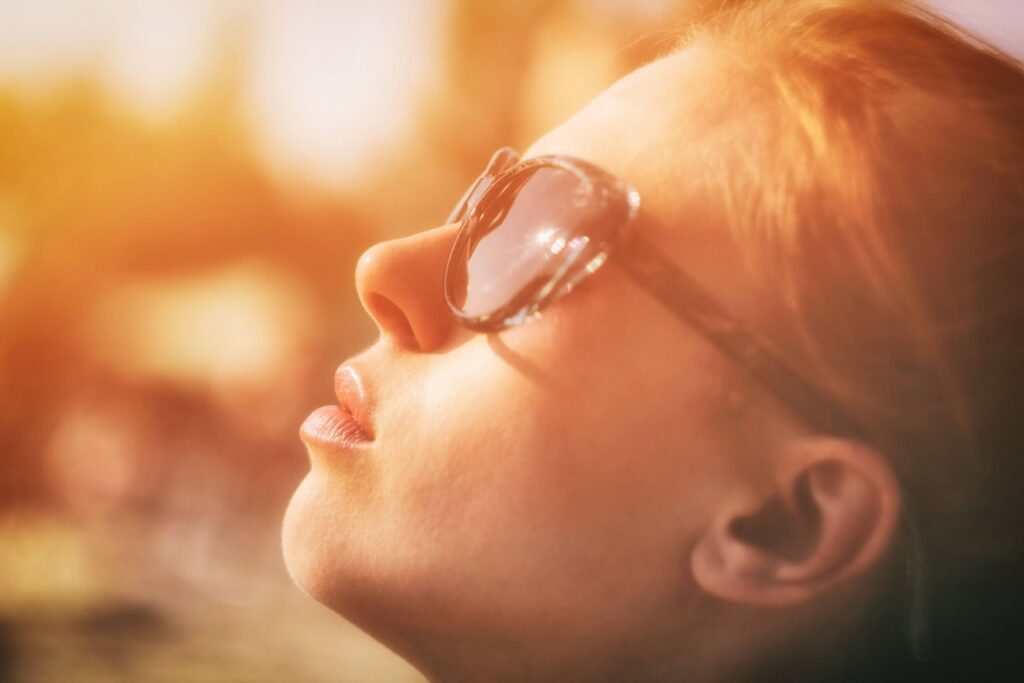
1. Wear UV400 sunglasses outdoors, even on cloudy days
UV passes through cloud cover more easily than most people assume. Clouds can reduce some UV radiation, but they don’t block all of it.
2. Choose wraparound frames
Standard lenses stop light from the front, but they do nothing for the sun sneaking in from the sides. Wraparound frames close that gap. They’re not the most stylish option in the store, but they are best for protecting your eyes during activities like long fishing trips or bike rides.
3. Add a wide-brimmed hat during midday hours
When UV intensity peaks, a hat becomes a second layer of defense. Keeping a hat in your car just in case can help you stay protected on hot sunny days.
4. Use preservative-free artificial tears when your eyes feel dry
Use preservative-free artificial tears proactively as part of your routine for how to prevent dry eyes in summer. It’s a small shift in timing that can make a big difference in your all-day comfort.
5. Stay hydrated throughout the day
Dehydration reduces both tear volume and quality. So when you stay hydrated in the summer time, your eyes do too!
6. Take screen breaks with the 20-20-20 rule
Every 20 minutes, look 20 feet away for 20 seconds. Consider setting a recurring timer for this to make sure you give your eyes a break from laptop or phone screens.
7. Rinse your eyes after swimming
Chlorine and saltwater both strip the eye’s protective tear layer. A quick rinse with clean water or saline takes ten seconds and can help keep that protective layer intact.
8. Avoid direct airflow from fans, vents, or car windows aimed at your face
Keep AC vents and fans directed away from your eyes to help reduce burning, itching, and dryness.
9. Remove eye makeup thoroughly before bed
This one’s especially relevant after sweaty or humid days, when residue mixes with sweat and settles right at the lash line.
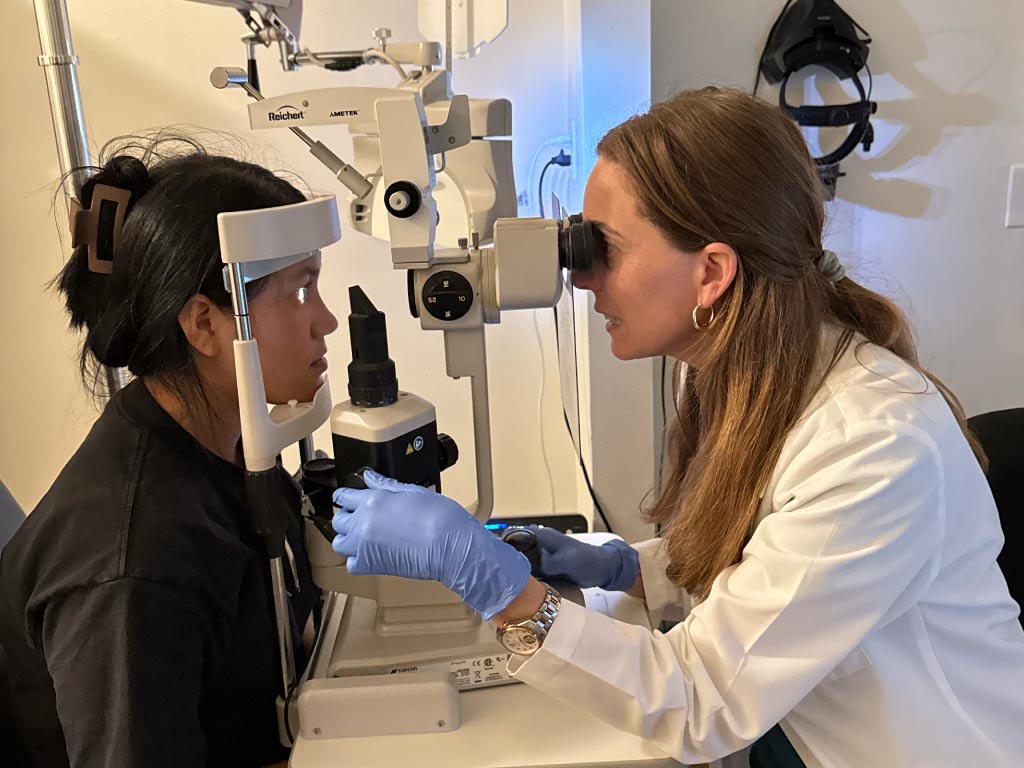
10. Book an eye exam if warmth, redness, or blurred vision sticks around for more than a few days
If a symptom lingers past a few days, that’s not a “wait and see” situation anymore. That’s when eye health summer advice stops being a home routine and starts becoming a conversation with an actual eye doctor.
Don’t Ignore Persistent Eye Symptoms: See a Specialist
Mild dry eyes or glare sensitivity usually aren’t a big concern and often settle on their own. But if you notice ongoing redness, pain, sensitivity to light, or blurry vision, get your eyes checked. Organizations focused on preventive eye care emphasize that early intervention protects sight far more effectively than treatment after symptoms have already escalated, whether that’s a mild summer flare-up or something more serious.
FAQs
Can summer heat alone damage my eyes?
Heat doesn’t directly harm your eyes, but it can make them dry. Strong UV exposure can add to the irritation and increase eye risks over time.
Are contact lenses riskier in summer?
Contact lenses are a bit riskier in summer. Heat and chlorine dehydrate lenses faster, so rinsing, sticking to replacement schedules, and using preservative-free drops matter more.
Do children need the same UV protection as adults?
A child’s lens transmits more UV radiation to the retina than an adult’s does, so developing early sunglasses habits are a good long-term investment.
Can sunglasses protect my eyes from UV damage?
Yes, choose sunglasses that block 99-100% of UVA and UVB rays or are labeled UV400.