
Why are millions of children still struggling with vision problems that are easily treated?
Over 2.2 billion people face vision challenges today. At least 1 billion cases are preventable or treatable. Yet millions of children cannot reach a surgery that could restore their sight. The issue often comes down to access.
A nonprofit that provides care to underserved children works to change this. Organizations like SEE International provide free vision care services that help children return to school. This is why nonprofits are important. They step in when families have limited options.
Let’s take a closer look at how nonprofit organizations like SEE transform the lives of underserved communities.
Why Do Underserved Communities Still Lack Access to Vision Care?
Most families seek help, but basic eye care is often inaccessible in underserved communities, especially for children who need it most. Many barriers prevent children from accessing eye care. These barriers include:
- Lack of pediatric ophthalmologists.
- Long travel distances to surgical centers.
- Financial hardship that makes surgery unaffordable.
Why Can’t Public Systems Solve the Problem Alone?
Public health systems, particularly in the developing world, face limitations like:
- Gaps in medical infrastructure.
- Funding shortages.
- Not enough trained specialists.
| The mission of nonprofit organizations like SEE is to fill those gaps. For instance, a child with cataracts won’t be able to see clearly without surgery. A cataract charity often becomes the only path to treatment, providing surgery, follow-up care, and increased access to education for children in underserved regions. Without that support, children go untreated, even when the solution is straightforward and safe. |
What Happens When Childhood Blindness Goes Untreated?
Untreated vision loss impacts every part of a child’s future. The effects reach far beyond eyesight. Here are the key consequences:
Social and Economic Consequences
Children in the developing world who are unable to see often have to leave school, missing important opportunities for learning. Families struggle to cope, with parents at times leaving work to care for them full-time. This is where a blind association or blind help organizations can come into play, offering tools, support, and needed care.
Some of the major impacts of untreated vision issues in children include:
- Interrupted education
- Lower lifetime earnings
- Ongoing poverty cycles
- Caregiver strain within families
Emotional Impact
Blindness also impacts children emotionally. It can steal confidence and the ability to connect with ease. Children may find themselves lonely and unable to play, learn, or make friends. A blind people charity or vision foundation like SEE International helps change that. By restoring sight free of cost, we restore a child’s ability to engage in a classroom setting and interact socially.
How Does Restoring Sight Impact Education and Long-Term Opportunity?
Parents often describe eye surgery as a true turning point. A child who once struggled to see can now read the board, participate fully in class, and even dream about a future career. Many donors choose to give towards vision for the blind because they see how closely sight and learning are connected. When children can see clearly, they can learn fully. Here are the benefits:
- School attendance improves.
- Literacy rates increase.
- Confidence grows.
- Families regain economic stability.
How Do High-Impact Nonprofits Actually Change Lives?
High-impact nonprofits like SEE make a difference by focusing on direct care, long-term training, and strong partnerships. Each piece plays an important role in creating lasting change.
Direct Medical Interventions
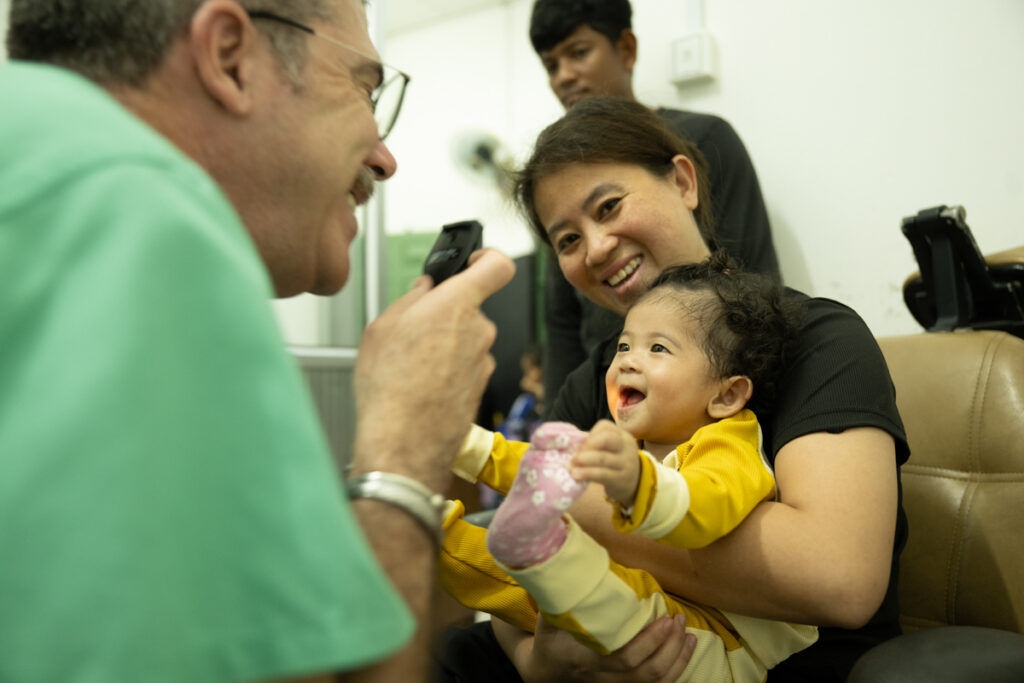
The first step is often direct medical care. An eye charity like SEE deploys trained surgeons to areas with limited access to care.
SEE also partners with local hospitals to provide essential medical supplies and safely deliver sight-saving procedures. A good vision charity organization ensures follow-up care so that children retain their vision for years to come. Our outreach efforts often include:
- Pediatric cataract surgeries
- Volunteer ophthalmologists
- Mobile surgical programs
- Equipment donations
Building Sustainable Local Capacity
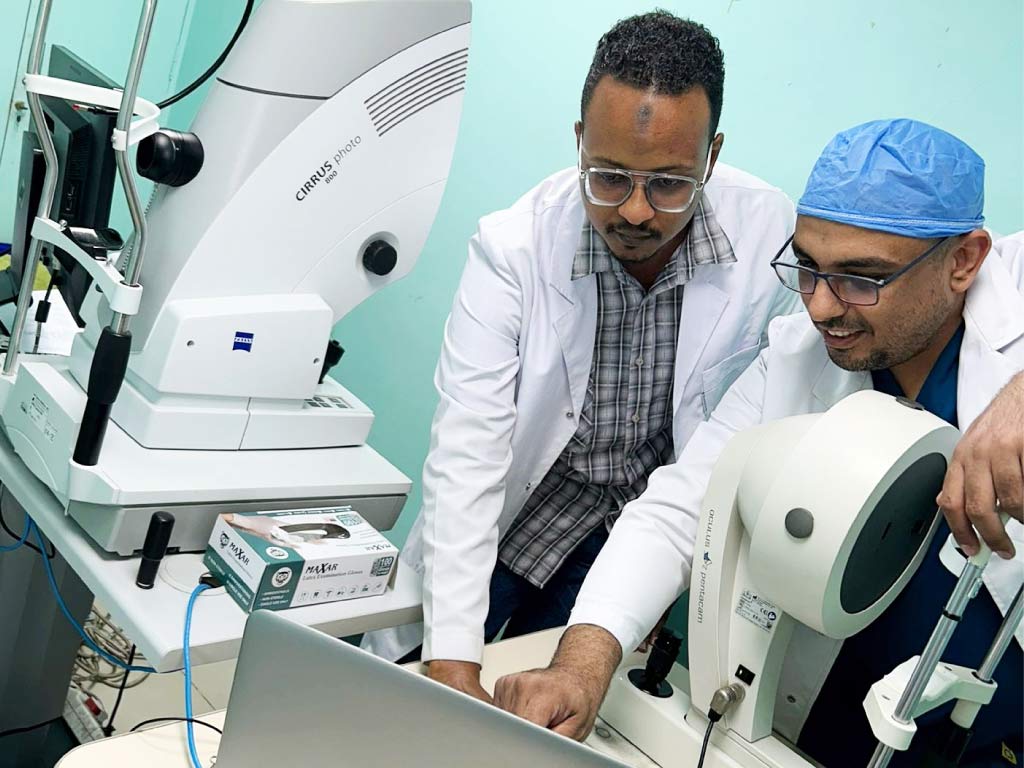
Visual impairment organizations know that short-term missions aren’t enough. That’s why SEE also trains local doctors in areas of need so they can continue providing care independent of our short term trips. This is how nonprofit partnerships help scale global impact. Sharing knowledge and resources helps multiply the reach of every program.
For lasting impact, communities need local expertise. Vision organizations like SEE focus on:
- Training local surgeons to perform procedures independently.
- Sponsoring the education of ophthalmologists in areas of need.
- Donating equipment and eye gifts to support ongoing care.
Corporate Partnerships to Strengthen Nonprofit Impact
Corporate partnerships help nonprofits reach more people and expand programs. Many wonder what companies donate to nonprofit organizations. Support often includes:
- Corporate social responsibility (CSR) initiatives that fund vision programs.
- Equipment sponsorship to supply surgical tools and technology.
- Grants and funding partnerships for larger missions.
SEE International Transforming Vision Care for Underserved Children!
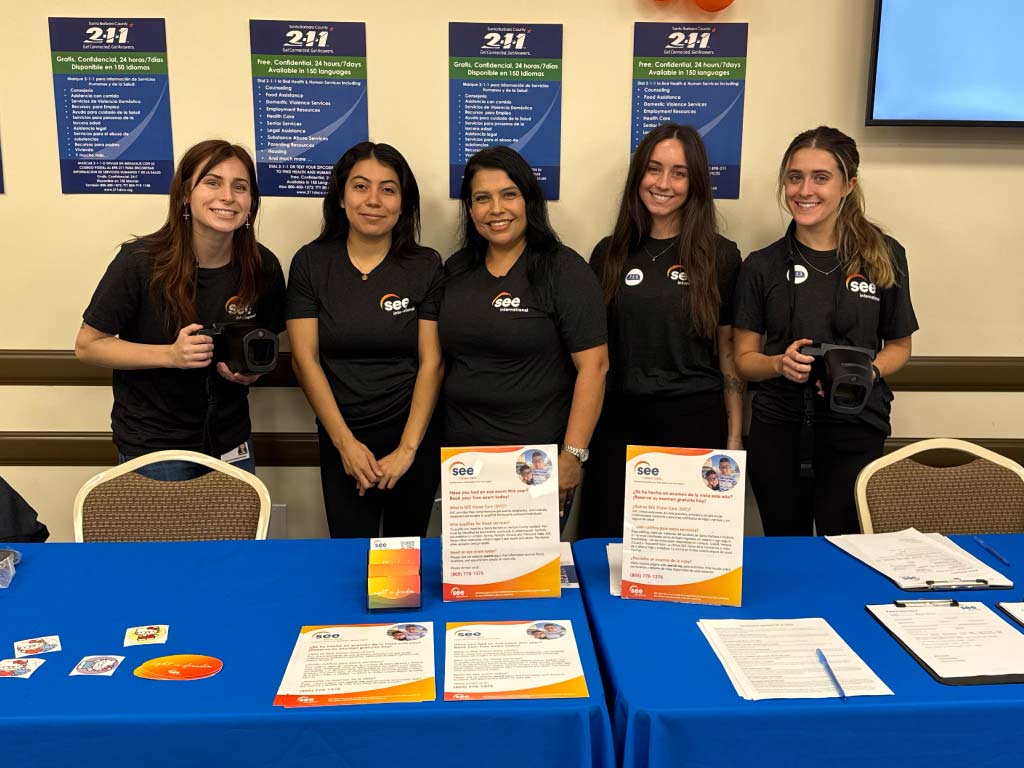
A great example of a nonprofit that has a lasting, sustainable impact is SEE International. Being a nonprofit that includes treatment for underserved children, we aim to restore sight where the need is greatest.
SEE offers services including pediatric cataract surgery through competent volunteer surgeons and international collaborations. We are a reputable blindness charity that has been restoring sight around the world for more than 50 years.
The model developed by SEE International incorporates:
- Skilled volunteer surgeons who bring expertise to underserved regions
- Sustainable local training to empower community healthcare providers
- Long-term community partnerships that ensure ongoing care
FAQs
Why do many children lack access to eye care services?
Children lack access to eye care services because of barriers like a shortage of pediatric specialists, high treatment costs, lack of financial resources, long travel distances to clinics, and limited healthcare infrastructure in underserved areas.
Can vision problems in children be cured or prevented?
Yes, many vision problems, including cataract, can be cured if diagnosed early.
What role do nonprofit partnerships play in vision care?
Nonprofit partnerships with hospitals, governments, and corporations provide better healthcare facilities, such as free surgeries, screenings, eyeglasses, and follow-up care, ensuring children receive treatment they otherwise could not afford.
How does restoring sight impact a child’s education?
Restoring sight in childrens lead to to better academic performance, higher attendance rates, and improved confidence.
How can individuals support vision care initiatives for undeserved children?
People can contribute by donating, volunteering, spreading awareness, or partnering with organizations that provide eye care services to underserved communities.