

Since 1974, SEE has worked diligently around the world to reduce the number of children impacted by blindness. Our network of volunteer surgeons provide free treatment to thousands of patients every year, as well as skill-sharing and training on appropriate surgical techniques to help strengthen local health care infrastructure worldwide.
In 1990, the World Health Organization (WHO) organized the first meeting of experts on the prevention of blindness in children; they estimated that there were 1.5 million blind children in the world. These experts agreed that corneal scarring, mainly from vitamin A deficiency and measles, was the major cause of childhood blindness in most low-income countries. In 1997, after a new system of data collection regarding childhood blindness had been implemented, it was estimated that 45% of blind children were blind by avoidable causes.
Because corneal blindness is gradually declining globally, cataract is becoming a relatively more important cause of avoidable blindness in children. Many pediatric ophthalmologists now remove cataracts and insert Inter-Ocular lenses in the eyes of children as young as 12 months of age.
(Source: National Library of Medicine. Gilbert and Muhit, 2008)
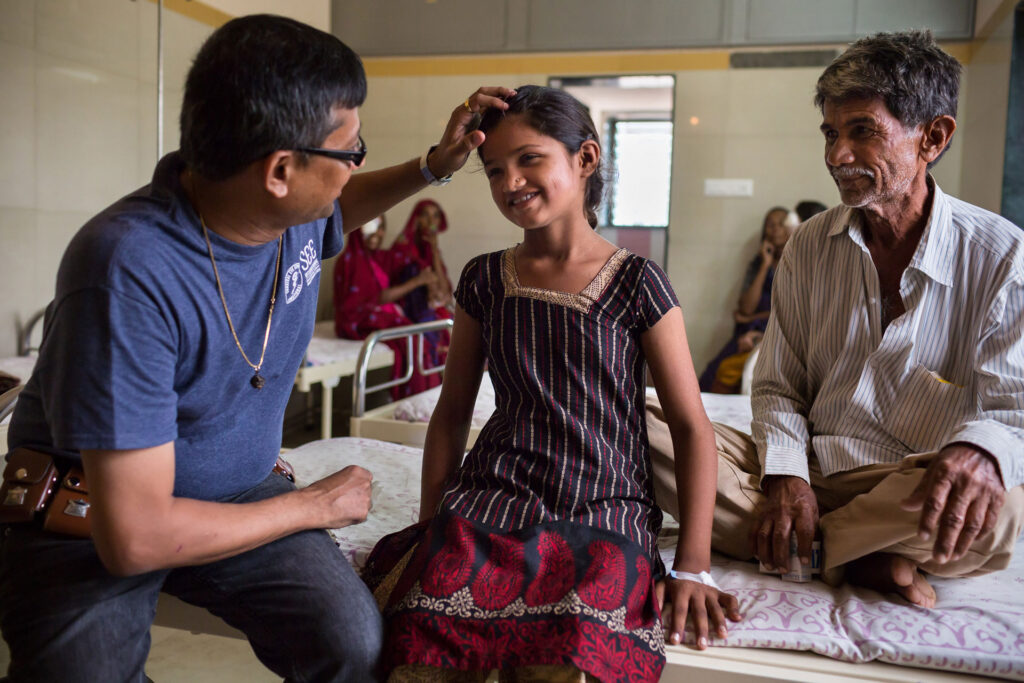
Visual impairment in childhood has lifelong implications for both the child and their family. Poor vision impacts the child’s development, education, and the care given by families and professionals. It also shapes the adult the child will become, affecting employment and social prospects.
It is important to appreciate that the impact of childhood blindness or visual impairment is different to visual impairment in adulthood, and differs not only in terms of the age of onset and cause of impairment, but perhaps more importantly in terms of the lifetime of disability these children endure, as well as the impact that the child’s visual impairment has on their family dynamics.
It has been estimated that 80% of education is provided through sight. The majority of children with visual impairment are educated in the mainstream setting alongside their sighted peers, and are encouraged to be integral members of society. A 2010 study demonstrated that children with visual impairment or blindness had a lower quality of life in many specific areas, and also overall, than their sighted counterparts. These dynamics were shown to be identical in adult quality of life scores, showing that visual impairment that went untreated in childhood would continue to cause problems in adulthood.
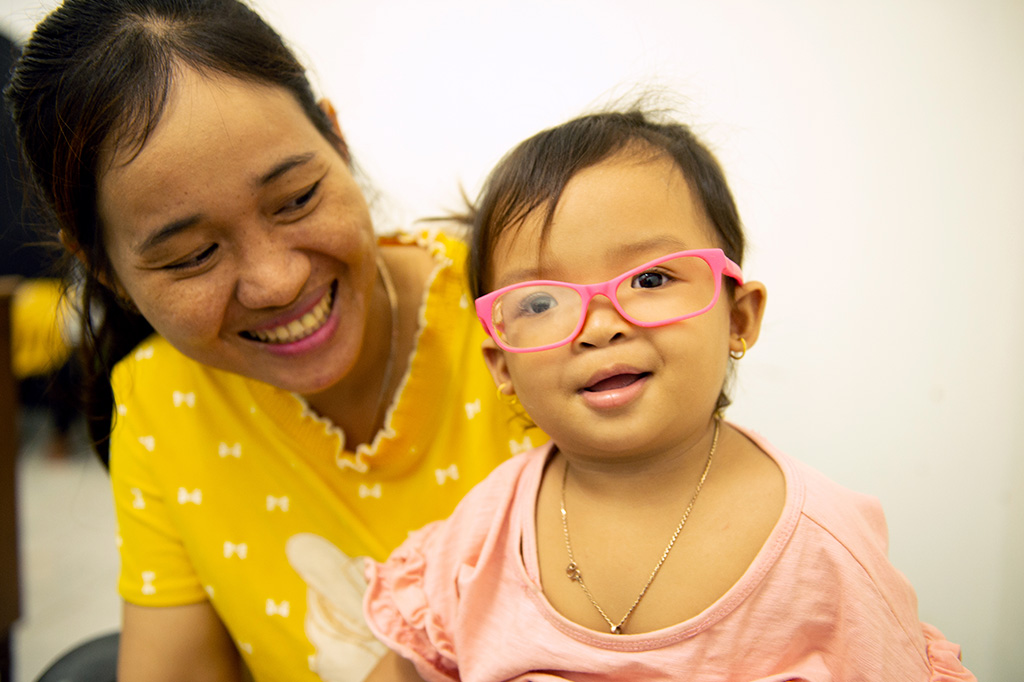
Yes, approximately 50% of childhood blindness can be prevented. Many cases of childhood blindness are preventable with things like vitamin A nutrition, measles immunization, and early treatment of eye problems.
If a child with vision problems doesn’t get care, their vision could never develop correctly, affecting learning, movement, and daily skills long‑term.
The most common and leading causes of childhood blindness are lack of vitamin A, retinopathy of prematurity in preemies, congenital glaucoma, cortical visual impairment (CVI), and cataracts.
Yes. In children, the brain and eyes are still developing. So, early vision loss can affect a child’s mental ability and learning skill development more deeply than in adults.
In low-income countries, vitamin A deficiency and infections are among the most common preventable causes of blindness in children.
When a child’s vision isn’t corrected, the brain may not learn to use that eye correctly, which can lead to lifelong vision problems and affect overall brain development.
You can support through donations to SEE, or if you’re a doctor, through volunteering for SEE’s short term programs or education programs that train the next generation of humanitarian ophthalmologists.