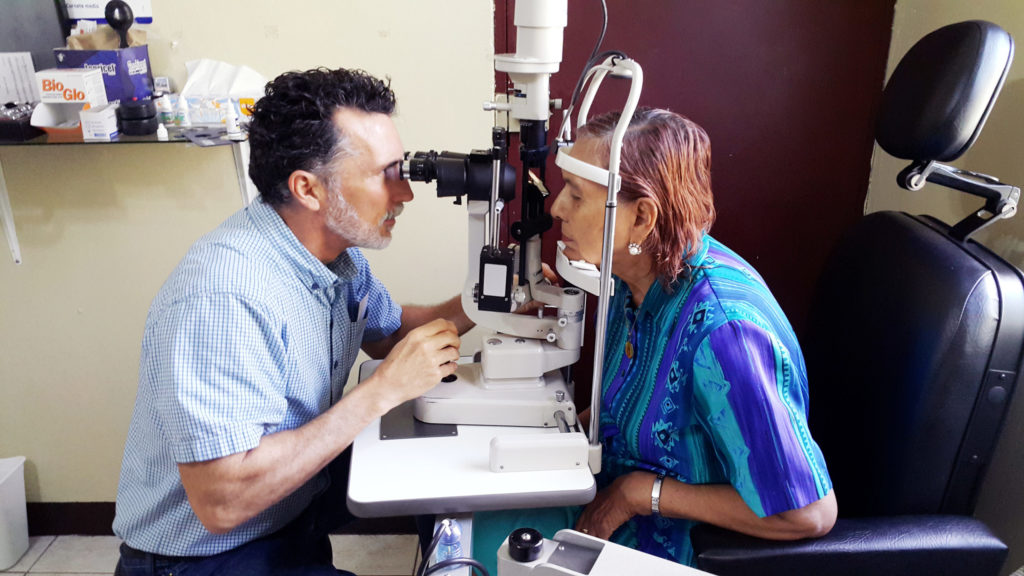

Each year, our volunteer surgeons provide sight-restoring surgeries to hundreds of men, women, and children who are blinded by glaucoma.
Glaucoma occurs when there is damage to the optic nerve, often due to pressure inside the eye. This pressure builds when the eye’s aqueous fluid cannot drain properly. Damage from the pressure causes loss of peripheral vision, and eventually, blindness.
At first, glaucoma doesn’t usually have any symptoms. That’s why many people with glaucoma don’t even know they have it. Over time, you may slowly lose vision, usually starting with peripheral vision—especially the part of your vision that’s closest to your nose.
Because it happens so slowly, many people can’t tell that their vision is changing at first. As the disease gets worse, you may start to notice that you can’t see things off to the side anymore. Without treatment, glaucoma can eventually cause blindness.
(Source: National Eye Institute, 2022)
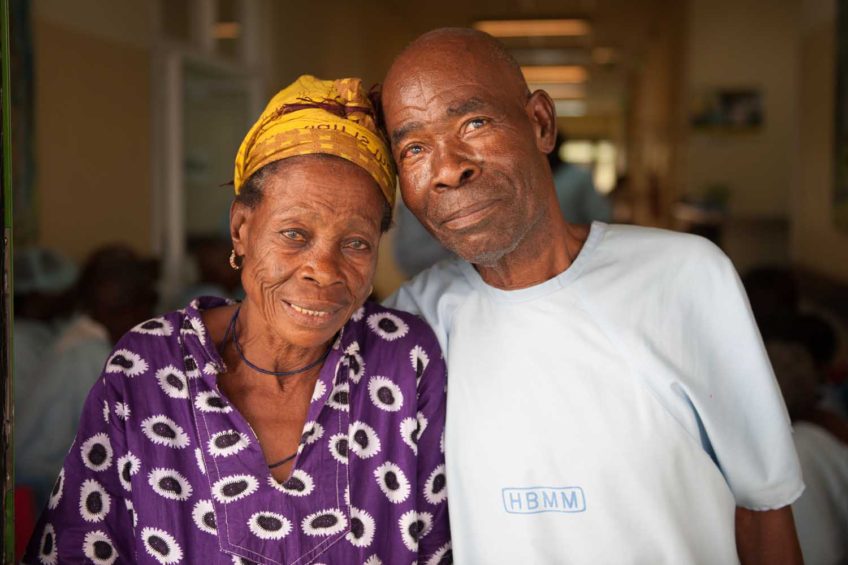
The International Agency for the Prevention of Blindness reports that glaucoma is the third leading cause of blindness globally. It is expected that 76 million people will have the condition by 2020.
Of those affected, 11 million will be blind in both eyes. Between 2013 and 2040, the number of people with glaucoma is expected to increase by 74 percent. This is primarily due to the aging of the global population, and increased life expectancy in Asia and Africa, regions which are disproportionately affected by the disease.
(Source: Tham et al, 2014)
Glaucoma is often hereditary, and frequently occurs in individuals over the age of 60. Additionally, it disproportionately affects people of Asian and African descent, who account for 60 and 13 percent of all glaucoma cases, respectively.
Men are more likely than women to have primary open-angle glaucoma, the most common form of the disease, which is caused by pressure that damages the optic nerve.
Ophthalmologists recommend the following strategies to reduce the risk of developing glaucoma:
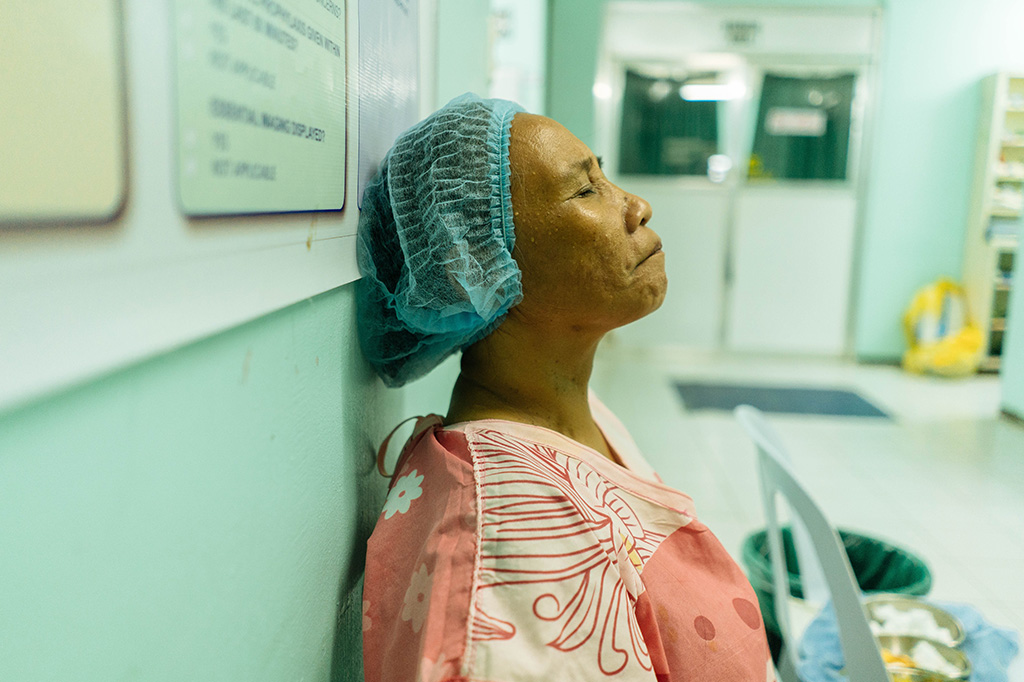
SEE works to prevent glaucoma around the world by:
Glaucoma is especially challenging to treat in regions without access to regular eye care services. Traditionally, eye doctors prescribe medicated eye drops to lower intraocular pressure and prevent further vision loss. However, patients in underserved communities rarely have access to high-quality medicated drops, due to the expense and poor compliance.
Optic nerve damage is irreversible, so effective treatment methods strive to prevent blindness, including peripheral (loss of peripheral vision) and bilateral (loss of vision in both eyes) before it occurs. SEE International partners with the Glaukos Corporation to treat the disease and train doctors across the globe in the iStent microsurgical technique. During this minimally invasive procedure, ophthalmologists use a local anesthetic to insert a shunt, called the iStent Trabecular MicroBypass. This device facilitates aqueous fluid outflow to reduce intraocular pressure without the need for eye drops.
Yes, untreated glaucoma can cause sudden blindness, particularly in the case of acute angle-closure glaucoma.
The earliest, most subtle signs of glaucoma include a gradual loss of peripheral (side) vision, often causing people to bump into objects or miss movement on the edges of their vision, and seeing halos or rainbow-colored rings around lights.
Glaucoma blindness is not always preventable, but it is highly preventable with early detection and consistent, lifelong treatment. The damage done to your sight is usually irreversible.
People over age 40, those with a family history of glaucoma, individuals from underdeveloped regions, and those without access to regular eye care are at higher risk of developing vision loss from glaucoma.
Yes, glaucoma treatment is considered very expensive and often poses a catastrophic financial burden in low-income areas and developing countries.
Yes. When you donate to SEE International, your support helps fund screenings, treatments, and training for local eye care teams in underserved communities. Your contribution can give people access to care they otherwise couldn’t afford.
Yes. SEE International’s focus is on restoring sight, even in conditions like glaucoma, though they are less common than conditions like cataracts. Every penny you donate helps bring long‑term eye services and education to areas with limited access to treatment.